
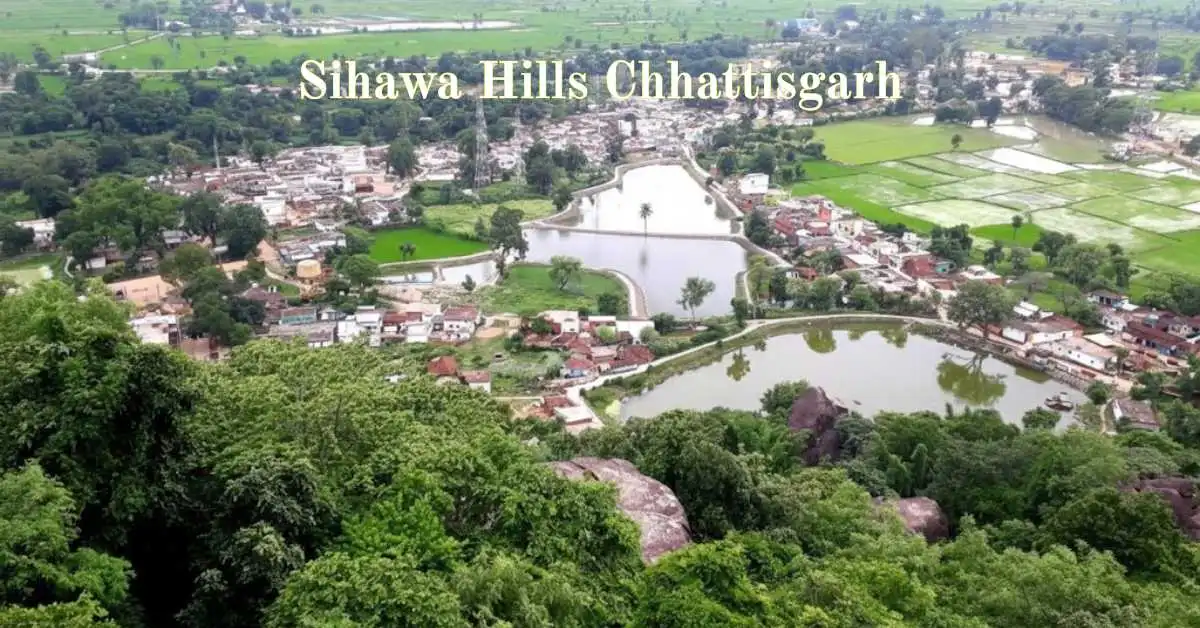
Sihawa Hills, Chhattisgarh: Mahanadi Origin, History, Tourism & Complete Information
Sihawa Hills is one of the most important geographical, historical, cultural, and natural regions of Chhattisgarh. Located in the Dhamtari district, the Sihawa region is widely known for its connection with the origin region of the Mahanadi River.
Surrounded by hills, forests, natural landscapes, and places of religious importance, Sihawa holds a special position in the geography and cultural heritage of Chhattisgarh.
The region is important not only for tourism but also for students preparing for competitive examinations such as CGPSC, CG Vyapam, and other Chhattisgarh General Knowledge examinations.
From the Mahanadi River to the geographical importance of the hills, Sihawa represents an important part of Chhattisgarh’s identity.
Sihawa at a Glance
| Topic | Information |
|---|---|
| Place | Sihawa |
| District | Dhamtari |
| State | Chhattisgarh |
| Famous For | Connection with the origin region of the Mahanadi |
| Importance | Geography, culture and tourism |
| Exam Relevance | CGPSC, CG Vyapam and Chhattisgarh GK |
Where Is Sihawa Located?
Sihawa is located in the Dhamtari district of Chhattisgarh, India.
The region is known for its naturally rich landscape, which includes hills, forests, and water sources. Because of its geographical setting and its connection with the Mahanadi River, Sihawa is an important topic in the study of Chhattisgarh Geography.
Sihawa is associated with several important aspects of the state, including:
- Physical geography
- River systems
- Religious traditions
- Natural heritage
- Tourism
- Chhattisgarh General Knowledge
For a broader understanding of the state’s physical features, students can also read our Chhattisgarh Geography guide.
Which District Is Sihawa Located In?
Sihawa is located in Dhamtari district, Chhattisgarh.
Dhamtari is an important district of the state and is known for its forests, rivers, natural landscapes, and tourist destinations.
The Sihawa region is particularly significant because of its connection with the Mahanadi River and its importance in the geography of Chhattisgarh.
For more information, you can also explore our detailed guide on Dhamtari District.
Nagri Sihawa, Chhattisgarh
The terms Nagri Sihawa, Sihawa Nagri, and Nagri-Sihawa are commonly associated with the wider geographical region of Dhamtari district.
This region is important because of its natural landscape, hills, forests, cultural traditions, and connection with the Mahanadi River.
The Nagri-Sihawa area is especially relevant for people interested in:
- Chhattisgarh Geography
- Local tourism
- Religious traditions
- Competitive examinations
- Chhattisgarh General Knowledge
Because of its geographical and cultural significance, the Sihawa region continues to be an important topic for students and visitors.
History of Sihawa
Sihawa has long been associated with the religious and cultural traditions of the region.
Its natural surroundings, including hills and forests, have contributed to its importance as a place connected with spirituality and traditional beliefs.
According to local traditions, the peaceful natural environment of the region has been associated with sages, ascetics, meditation, and penance.
Over time, Sihawa developed a unique identity because of its combination of:
- Religious traditions
- Natural environment
- Geographical importance
- Cultural heritage
- Connection with the Mahanadi River
Today, Sihawa is recognized as an important region of Chhattisgarh for students, visitors, nature lovers, and people interested in the geographical and cultural heritage of the state.
Where Does the Mahanadi Originate?
The Mahanadi originates from the Sihawa region of Dhamtari district in Chhattisgarh.
This is one of the most important geographical facts associated with Chhattisgarh and is highly relevant for state-level competitive examinations.
The river begins in the hilly region associated with Sihawa and later develops into one of the major river systems of India.
From Chhattisgarh, the Mahanadi flows toward Odisha and ultimately drains into the Bay of Bengal.
Important Facts About the Mahanadi
- The Mahanadi originates from the Sihawa region.
- Sihawa is located in Dhamtari district.
- The river is one of the major river systems connected with Chhattisgarh.
- The Mahanadi later flows through Odisha.
- It ultimately drains into the Bay of Bengal.
Easy Way to Remember
Sihawa → Dhamtari → Mahanadi
This simple sequence can be useful for students preparing for CGPSC and Chhattisgarh General Knowledge examinations.
For a detailed explanation, read:
👉 Mahanadi River: Origin, Tributaries, Basin, Dams & CGPSC Notes
You can also explore:
👉 Chhattisgarh Rivers
Sihawa is located in Dhamtari, and the Mahanadi originates from the Sihawa region.
Geographical Significance of Sihawa Hills
Sihawa Hills are geographically important because of their connection with the river system and physical landscape of Chhattisgarh.
The region consists of hills, forests, undulating terrain, and important water sources.
The geographical importance of Sihawa is strongly connected with the origin region of the Mahanadi River, making it an important topic for understanding the river systems of Chhattisgarh.
The surrounding physical environment also influences:
- Surface runoff
- Drainage systems
- Vegetation
- Natural landscapes
- Regional ecology
For students of geography and competitive examinations, Sihawa provides an important example of the relationship between physical geography and river systems.
Hydrology and River System
The hydrological importance of Sihawa Hills is mainly connected with their role as the source region of the Mahanadi River system.
After originating from the Sihawa region, the Mahanadi flows across Chhattisgarh and Odisha before reaching the Bay of Bengal.
Several important tributaries contribute to the expansion of the Mahanadi river basin.
Some important tributaries associated with the Mahanadi river system include:
- Seonath
- Hasdeo
- Mand
- Ib
- Ong
- Tel
- Jonk
Together, these rivers contribute to one of the important river basins of central and eastern India.
For a detailed explanation, you can read our article on Mahanadi Tributaries.
Cultural and Spiritual Significance of Sihawa
Apart from its geographical importance, Sihawa is deeply connected with religious and cultural traditions.
According to regional beliefs and traditions, the natural environment of the area has been associated with spiritual practices and meditation.
The region is traditionally connected with sages and religious traditions, making it important for people interested in the cultural heritage of Chhattisgarh.
The combination of:
- Hills
- Forests
- Religious traditions
- Spiritual associations
- Natural landscapes
makes Sihawa an important example of the cultural geography of Chhattisgarh.
Shringi Rishi and Sihawa
Sihawa is traditionally associated with Shringi Rishi and religious traditions connected with the region.
The cultural and spiritual significance of the area attracts people interested in:
- Religious tourism
- Local traditions
- Chhattisgarh culture
- Historical and spiritual heritage
Forests, Biodiversity and Environment
Sihawa is surrounded by a naturally rich landscape consisting of hills, forests, and water sources.
The environmental importance of the region is connected with its natural surroundings and ecological landscape.
The area is important for understanding:
- Forest ecosystems
- Natural landscapes
- Biodiversity
- River systems
- Environmental geography
The natural beauty of Sihawa also contributes to its tourism potential.
Natural and Eco-Tourism Importance
The hills and forests surrounding Sihawa make the region attractive for visitors interested in nature and outdoor landscapes.
Visitors can enjoy:
- Natural scenery
- Hills
- Forest landscapes
- Photography
- Scenic views
- Religious tourism
- Exploring the geography of Chhattisgarh
Major Tourist Attractions in Sihawa
Sihawa is an important destination for people interested in natural beauty, geography, and cultural tourism.
Mahanadi Source Region
The area associated with the origin of the Mahanadi is one of the most important geographical attractions connected with Sihawa.
For students of Chhattisgarh geography, learning about this region provides a better understanding of the state’s river system.
Sihawa Hills
The hills surrounding Sihawa are known for their natural landscapes and geographical importance.
The region becomes particularly attractive during and after the monsoon season, when the hills and forests appear greener.
Forest and Natural Landscapes
The wider Sihawa region includes natural landscapes characterized by hills, forests, and water sources.
The environment attracts visitors interested in:
- Nature
- Photography
- Scenic landscapes
- Geography
- Outdoor tourism
Religious and Cultural Sites
The Sihawa region is associated with religious traditions and places of cultural importance.
Visitors can experience both the natural beauty of the area and its traditional spiritual atmosphere.
Best Time to Visit Sihawa
The natural beauty of Sihawa can generally be enjoyed during the period after the monsoon and during the winter season.
Post-Monsoon Season
The post-monsoon period can be attractive because of:
- Green hills
- Fresh landscapes
- Forest scenery
- Pleasant natural views
Winter Season
Winter can be a comfortable period for:
- Sightseeing
- Road travel
- Exploring natural areas
- Visiting places of cultural and religious importance
Why Is Sihawa Important for CGPSC and CG Vyapam?
Sihawa is an important topic for students preparing for:
- CGPSC
- CG Vyapam
- Chhattisgarh General Knowledge
- Other state-level competitive examinations
The most important reason for its examination relevance is its connection with the origin of the Mahanadi River.
Students should remember the relationship between:
Sihawa → Dhamtari → Mahanadi
Important Facts About Sihawa for Exams
| Topic | Important Information |
|---|---|
| Location | Chhattisgarh |
| District | Dhamtari |
| Famous For | Connection with the Mahanadi origin region |
| Importance | Geography, culture and tourism |
| River Connection | Mahanadi |
| Exam Relevance | CGPSC and Chhattisgarh GK |
Quick Revision Notes
The topic is relevant for CGPSC, CG Vyapam, and Chhattisgarh General Knowledge
Sihawa is located in Dhamtari district of Chhattisgarh.
Sihawa is closely associated with the origin of the Mahanadi River.
The region is important for Chhattisgarh Geography.
Sihawa is known for hills, forests, natural landscapes, and cultural traditions.
Quick Revision Notes (For Prelims)
- Location: Dhamtari district, Chhattisgarh
- Hill/Mountain: Sihawa Hill (Sihawa Parvat)
- River origin: Mahanadi River
- Sanctuary: Sitanadi Wildlife Sanctuary
- Religious site: Shringi Rishi Ashram
- Tourism project: Ram Van Gaman Path
FAQ About Sihawa, Chhattisgarh
What is Sihawa famous for?
Sihawa is famous for its geographical importance, natural landscapes, cultural traditions, and its connection with the origin region of the Mahanadi River.
Is Sihawa Hill the source of the Mahanadi River?
Yes, the Mahanadi River originates from the foothills of Sihawa Hill in Dhamtari district.
Which wildlife sanctuary is near Sihawa Hill?
The Sitanadi Wildlife Sanctuary is located near Sihawa Hill.
Why is Sihawa important for CGPSC??
Sihawa is important for CGPSC because of its connection with the origin of the Mahanadi and its location in Dhamtari district.
Where are Sihawa Hills located?
Sihawa Hills are located in the Dhamtari district of Chhattisgarh.
What is the cultural importance of Sihawa Hills?
The region is considered a sacred tapo-bhoomi and is associated with sages like Shringi Rishi and Angira Rishi.
Is Sihawa a tourist destination?
Yes. Sihawa is an important destination for nature tourism, geographical tourism, and religious tourism in Chhattisgarh.
Conclusion
Sihawa Hills represent an important combination of geography, river systems, natural landscapes, culture, and tourism in Chhattisgarh.
Its connection with the origin region of the Mahanadi River makes Sihawa particularly important for students studying Chhattisgarh Geography and preparing for competitive examinations such as CGPSC and CG Vyapam.
The hills, forests, natural surroundings, and cultural traditions of the region give Sihawa a unique place in the geographical and cultural identity of Chhattisgarh.
Understanding Sihawa, Dhamtari, and the Mahanadi River helps students and readers develop a better understanding of the geography and heritage of Chhattisgarh.