
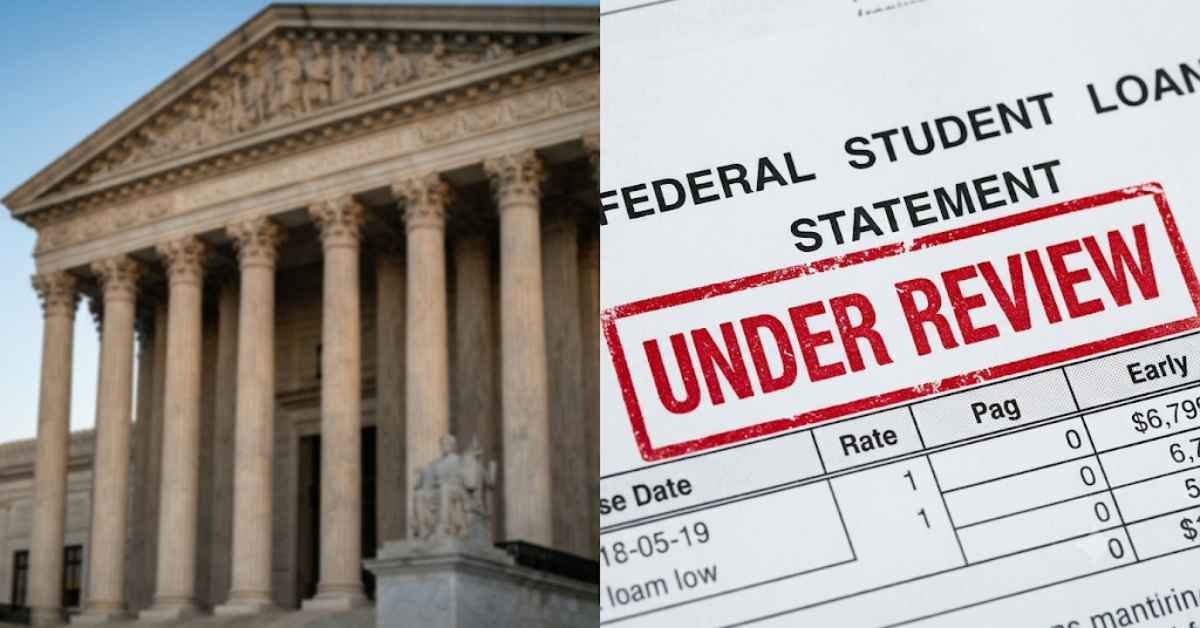
Student loan forgiveness lawsuit
Millions of public servants and educators rely on the Public Service Loan Forgiveness (PSLF) program to clear their student debt. However, recent legal actions have brought the program’s management into the spotlight. A new class action lawsuit, alongside a separate suit filed by a major teachers’ union, has been brought against the Education Department and government officials over the handling of student loan forgiveness.
If you are a borrower working in public service, you might be wondering how these breaking legal developments impact your debt. Here is everything you need to know about the lawsuits and what borrowers should do next.
Why Are Borrowers Suing the Education Department?
The core of the legal dispute revolves around how the Department of Education has processed—and largely denied—applications for the Public Service Loan Forgiveness program. The class action lawsuit alleges that the system is broken, leaving borrowers trapped in debt despite fulfilling their required years of public service.
Borrowers claim that they were given misleading information by loan servicers and the government, leading to widespread rejections based on technicalities, such as being on the wrong repayment plan or having the wrong type of federal loan.
Who is Included in the Class Action Lawsuit?
The class action aims to represent public service workers across the country whose PSLF applications were rejected or mishandled. While the exact legal definition of the “class” is still being determined by the courts, it generally targets:
- Public service employees: Government workers, non-profit employees, and emergency responders.
- Denied applicants: Borrowers who applied for PSLF and were denied despite making what they believed were 120 qualifying payments.
- Misled borrowers: Individuals who can prove they received incorrect guidance from official federal loan servicers regarding their eligibility.
Note: It is currently unconfirmed what specific financial remedies or immediate loan discharges will be granted, as the lawsuit is still pending in federal court.
The Teachers Union Lawsuit Explained
In addition to the general class action, a prominent teachers’ union has filed its own lawsuit against government officials. This specific suit highlights the severe impact the PSLF mismanagement has had on educators.
The union argues that teachers took on specialized roles in low-income areas or critical shortage subjects with the explicit promise of loan forgiveness. The lawsuit claims that the government’s failure to honor this promise violates federal administrative laws and breaches the trust of the nation’s educators.
What Should PSLF Applicants Do Now?
While these lawsuits are making headlines, the legal process can take months or even years. Borrowers should not pause their financial planning while waiting for a verdict. Here are the recommended steps to take right now:
- Keep making payments: Unless you are in an official administrative forbearance, continue making your monthly payments to avoid default.
- Document everything: Save copies of your employment certification forms, payment histories, and all communications with your loan servicer.
- Monitor official channels: Watch for updates from the Federal Student Aid (FSA) website rather than relying solely on social media rumors.
Should You Still Apply for Forgiveness?
Yes. If you believe you have reached your 120 qualifying payments, you should still submit your PSLF application and Employment Certification Forms. The Education Department is still legally required to process applications, and having your paperwork officially filed ensures you are in the system if the court orders a mass review or systemic overhaul of denied claims.
We will continue to monitor these lawsuits and provide updates as the courts make their official rulings.