
U.S. Q3 GDP report
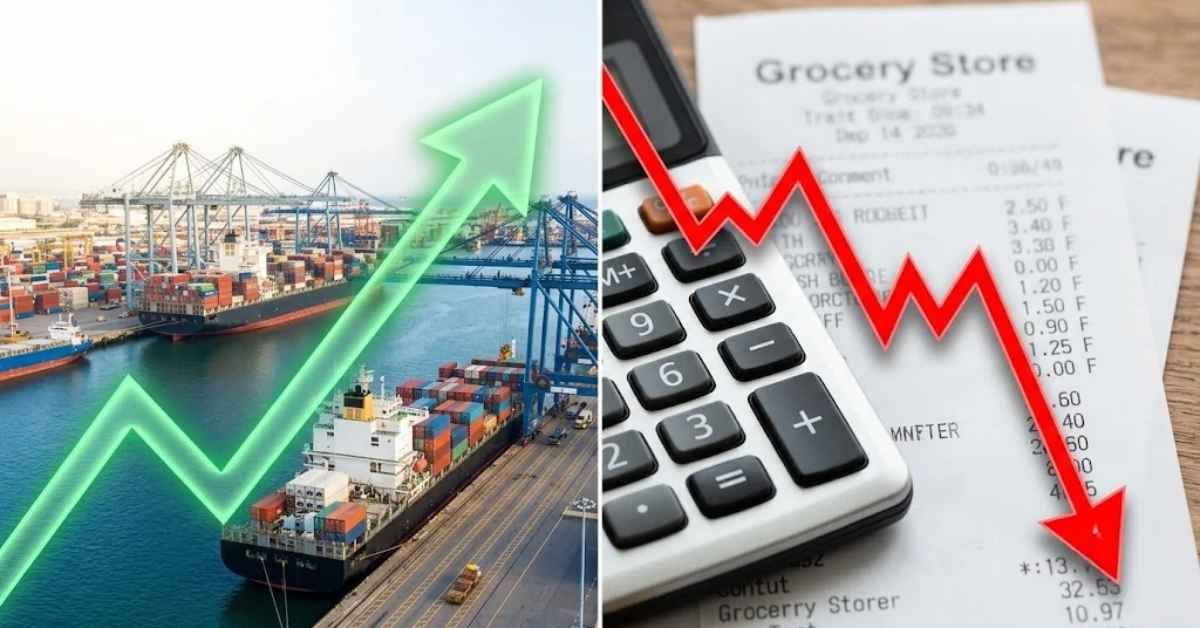
It was a day of mixed signals for the American economy. While new data shows the U.S. economy grew at a faster pace than expected in the third quarter, a simultaneous report revealed that inflation is creeping back up. This combination of strong growth and stubborn prices sent a wave of anxiety across Wall Street, resulting in a significant stock market drop during Thursday’s closing sessions.
For the average American, hearing that the economy is doing well while watching stock portfolios shrink and grocery prices remain high can be deeply confusing. Here is a simple breakdown of the latest U.S. Q3 GDP report, the rising inflation data, and why the stock market reacted so negatively.
The Good News: U.S. Economic Growth Beats Forecasts
The U.S. Commerce Department released its advance estimate for third-quarter Gross Domestic Product (GDP), which measures the total value of all goods and services produced in the country. The numbers were surprisingly strong.
The report showed that the economy grew at an annualized rate that beat Wall Street’s advance forecasts. This growth was largely driven by:
- Strong consumer spending: Americans continued to spend on services, travel, and retail despite higher prices.
- Business investment: Companies continued to invest in equipment and intellectual property.
- Government spending: Federal and local government expenditures also contributed to the overall economic expansion.
On paper, a growing GDP is a sign of a healthy, resilient economy that is successfully avoiding a recession.
The Bad News: Inflation is Rising Again
If the economy is growing, why is everyone so worried? The answer lies in the September inflation data released alongside the GDP numbers. Instead of continuing its downward trend, inflation unexpectedly rose.
Prices for essential goods and services remain stubbornly high. This means that while the broader economy is technically expanding, the purchasing power of the average American worker is still being squeezed at the gas pump, the grocery store, and in the housing market.
Why Did the Stock Market Drop?
It might seem backwards that the stock market would drop on a day when the economy is reported to be growing. However, Wall Street investors are looking at the bigger picture regarding the Federal Reserve.
Here is why investors hit the sell button:
- Interest Rate Fears: The Federal Reserve has been raising or holding interest rates high to fight inflation. When investors see that inflation is rising again, they fear the Fed will keep borrowing costs high for a much longer period.
- Corporate Profits: High interest rates make it more expensive for businesses to borrow money, expand, and operate, which can eat into their future profits.
- The “Too Hot” Economy: Strong GDP growth combined with rising inflation suggests the economy is running “too hot,” making it harder for the Fed to bring prices down without eventually triggering a severe slowdown.
What This Means for Your Wallet
Macroeconomic data can feel disconnected from everyday life, but these reports directly impact your personal finances. Because inflation is proving difficult to tame, you should prepare for a continued high-interest-rate environment.
This means mortgage rates, credit card interest rates, and auto loan rates are likely to remain elevated in the near term. If you are balancing household budgets or managing debt, prioritizing the pay-down of high-interest credit cards and delaying non-essential large purchases financed by debt may be the safest strategy right now.